Thimphu Tsechu
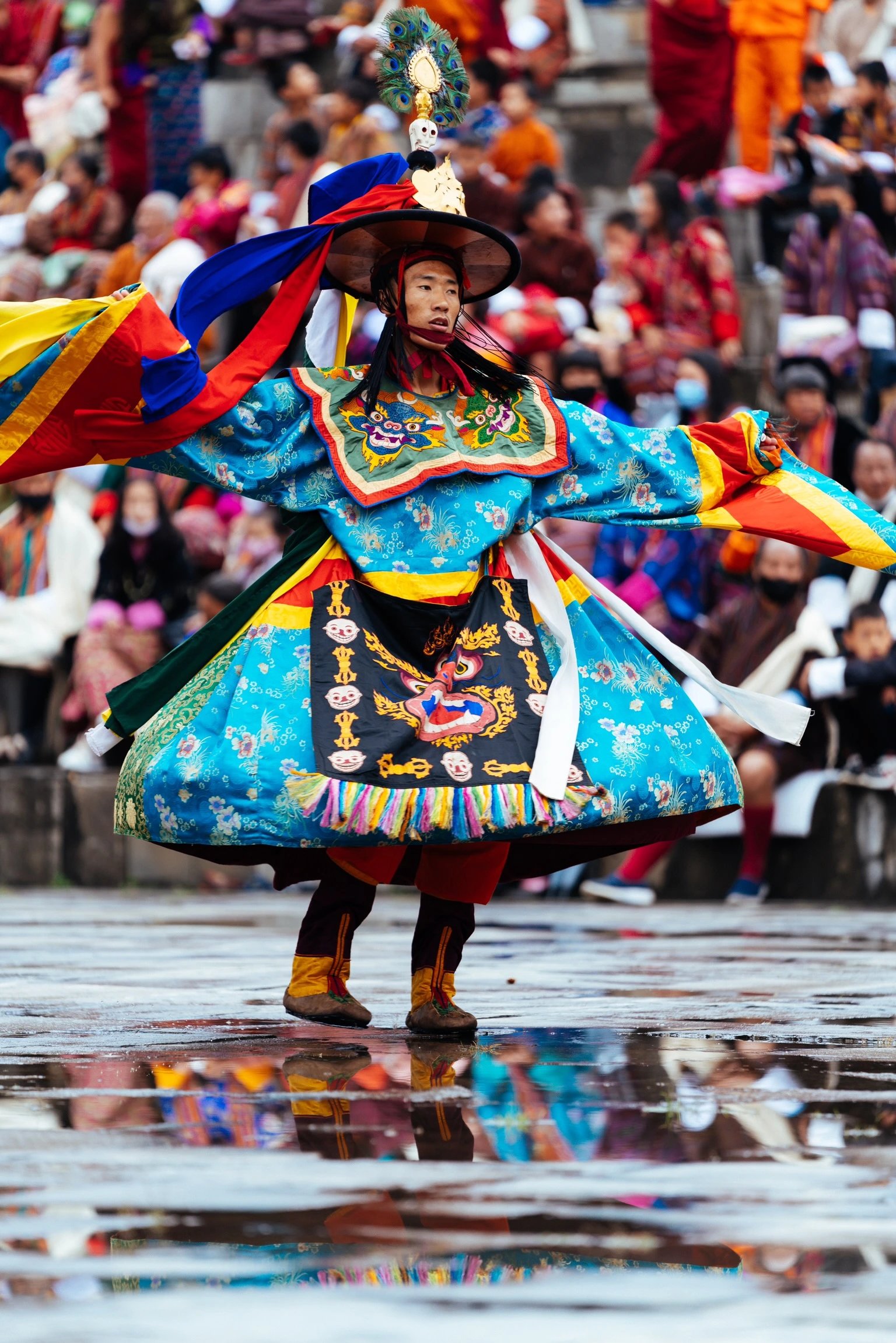
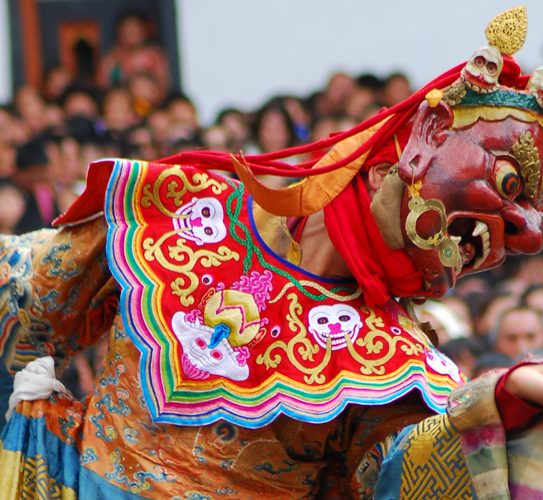
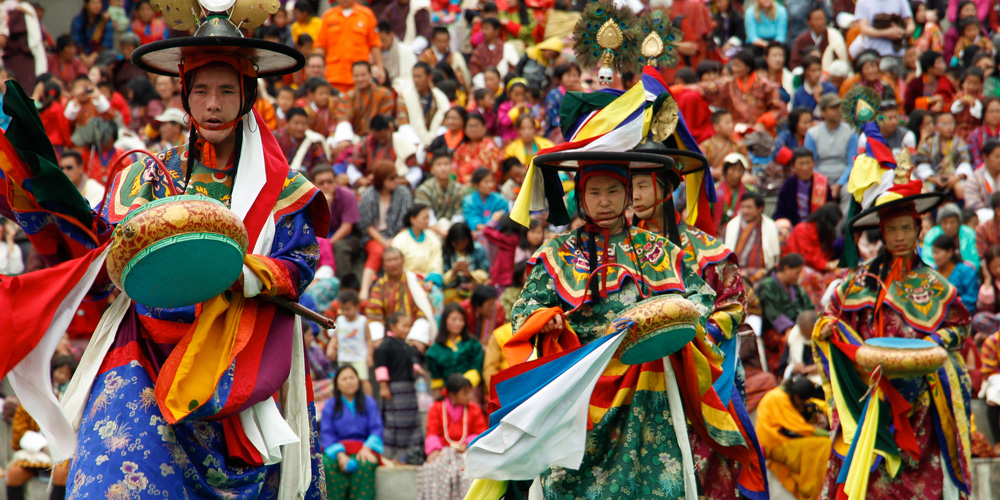
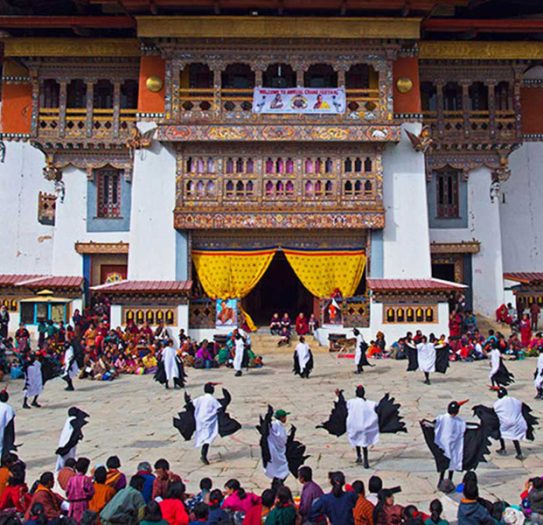
The Thimphu Festival (Tsechu) is one of the grandest of Bhutan’s festivals and attracts the largest audience. Featuring dances performed by trained monks and laymen in am...

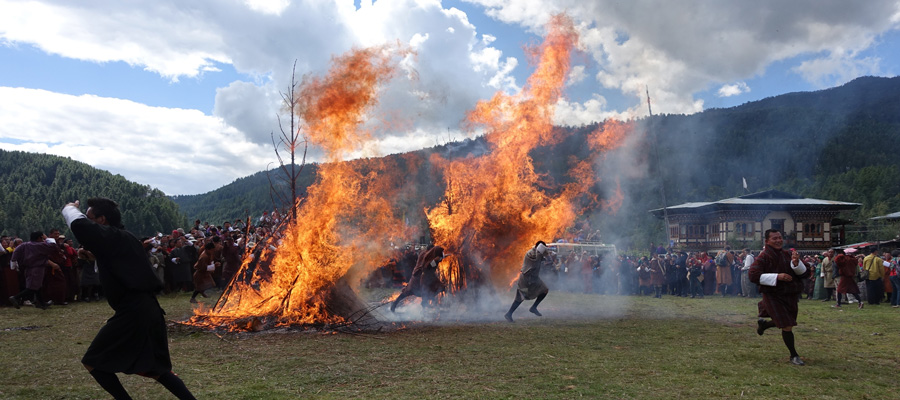
Thangbi Mani festival is one of the most popular festivals held in Chhoekhor Gewog in Bumthang. The highlight of the festival is the fire blessing (Mewang) ceremony, performed in an open ground. The lay monks perform purification rituals while people jump over flames to purify themselves. Several mask dances are also performed. It is believed that the festival brings peace and prosperity and ensures a better harvest for the entire community.
Thangbi Mani is a unique festival which displays the rich tradition and celebrates the cultural heritage of this ancient monastery. Thangbi Lhakhang was founded in 1470 by the Shamar Rinpoche, Chokki Drakpa. The iron curtain at the entrance is said to have been cast by the saint himself. Thangbi Lhakhang is located beyond Kurje Lhakhang.
Thangbi Mewang — 15 Oct – 16 Oct 2027 at Thangbi Lhakhang. Dates follow the lunar calendar; we’ll confirm when you enquire.
The flight to Paro is one of the most spectacular mountain flights in the world. Our team representative will meet you at Paro airport. After lunch enjoy afternoon sightseeing around Paro, including the National Museum, Ta Dzong, housing many religious relics, works of art and handicrafts. Next, visit the Rimpong Dzong to see the painting of the great saint Milarepa, and walk to the beautiful cantilever wooden bridge still in use. Overnight at your hotel in Paro.
After breakfast hike to Taktsang Monastery. The trail is broad and the walk of approximately 1.5 to 2 hours uphill takes you high above the Paro valley. The view of Taktsang Monastery built on a sheer cliff face 900 metres above the valley floor is a spectacular sight. Nearby there is a teahouse where you can stop for lunch.
In the afternoon drive to Drukgyel Dzong, built by the Shabdrung to commemorate his victory against invading Tibetans in 1644, with the sacred Mount Jomolhari (7314m) as a backdrop in fine weather. On the return drive visit 7th Century Kyichu Lhakhang, one of the 108 temples constructed by the Tibetan king Songtsen Gampo, built in a manner similar to the Jokhang in Lhasa. Overnight in Paro.
Drive over the Dochu-La pass (3,100 meters), which on a clear day offers an incredible view of Himalayan peaks before descending into balmy Punakha valley (about 3 hrs total driving time). The drive through the countryside affords a glimpse of everyday life in this most remote of Himalayan kingdoms. In the Dochu-La area there are vast Rhododendron forests that grow to tree size and bloom in late April/early May covering the mountains in a riot of glorious spring colour.
Punakha was the ancient capital of Bhutan. On arrival, visit Punakha Dzong, the “Palace of Great Happiness” built in 1637 by the Shabdrung, the ‘Unifier of Bhutan’. It is situated at the confluence of the Mo Chu and Pho Chu (Mother and Father Rivers) and is the winter headquarters of the Je Khenpo and hundreds of monks who move en masse from Thimphu to this warmer location. The three story main temple of the Punakha Dzong is a breathtaking example of traditional architecture with four intricately embossed entrance pillars crafted from cypress and decorated in gold and silver. It was here in 1907 that Bhutan’s first king was crowned.
After lunch, enjoy a walk to Chimi Lhakhang, temple of the Drukpa Kuenley who is also known as the Divine Madman. He inherited the Divine Madman title since he revolted against the orthodox Buddhism in his time. He taught the people that religion is an inner feeling and it’s not necessary that one should be an ordained monk. He is also considered a symbol of fertility and most childless couples go to his temple for blessing. Overnight at your hotel in Punakha / Wangduephodrang.
Drive from Punakha to Bumthang via Trongsa (8 hrs) over the Pele La pass (3,420m) on the Black Mountain range. En route visit the beautiful 18th century Chendebji Chorten. The imposing Trongsa Dzong can be viewed across a deep canyon as you approach the ancestral home of Bhutan’s ruling dynasty. After lunch, visit Trongsa Dzong, the largest Dzong in Bhutan, and the Ta Dzong museum. Continue to Bumthang, whose barley fields, apple groves and meadows lie below huge hills climbing towards the Himalayan wall. Overnight at your lodge in Bumthang.
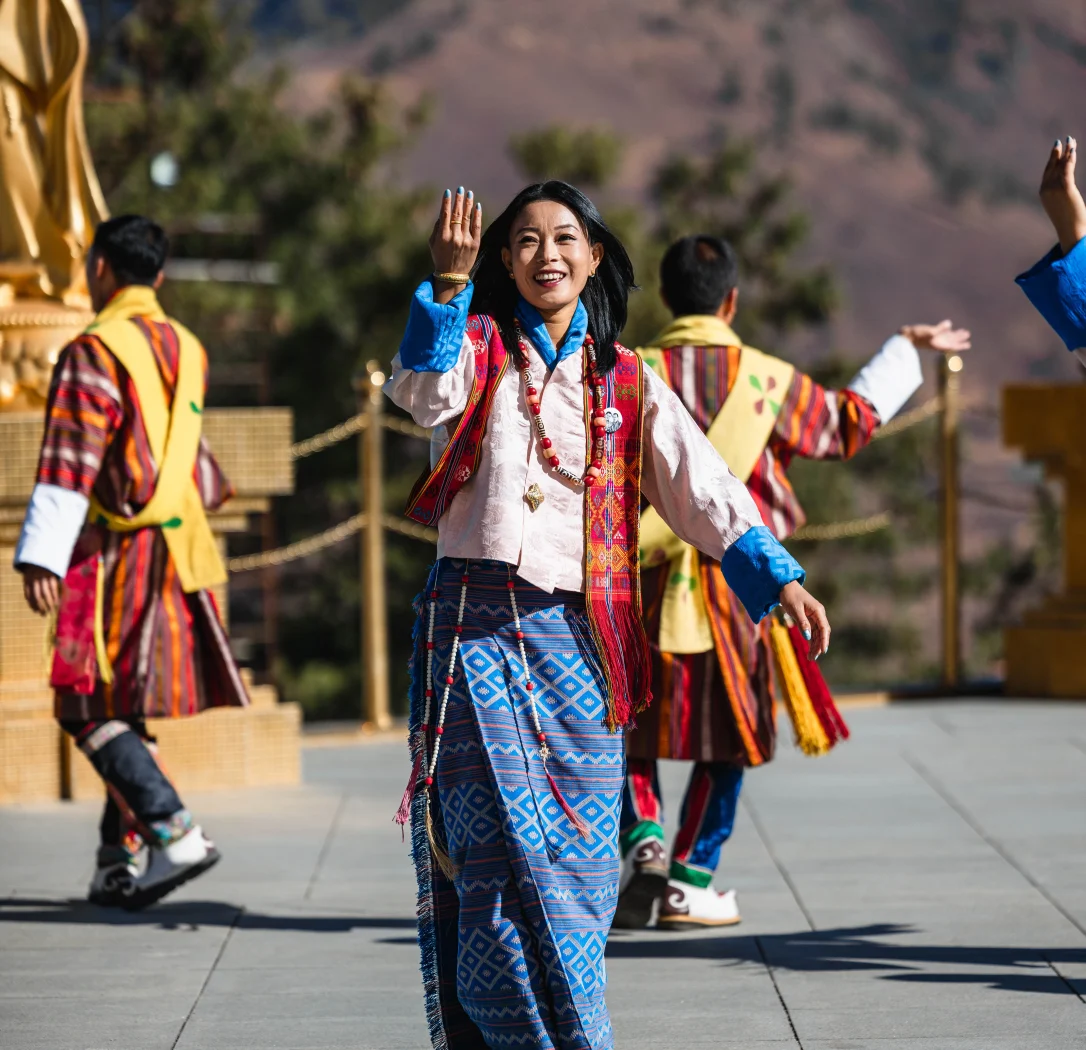
Today you will witness the festival of Thangbi Mani. See the lay monks perform the Mewang (fire blessing) purification ritual in an open ground. People jump over the flames three times, as it is believed to wash away sins and misfortunes for the entire year. Masked dances and folk dances are performed in the enclosed courtyard of the temple. In the afternoon visit Kurjey Lhakhang, one of the most sacred places in the kingdom where Guru Rimpoche meditated. Overnight in Bumthang.
Explore the Bumthang valley, including 7th century Jambay Lhakhang, one of the Kingdom’s oldest temples, Jakar Dzong and Tamshing Lhakhang, founded in 1501 by Pemalingpa and containing ancient Buddhist wall paintings. You may also visit 14th century Tang Rimochen Lhakhang where Guru Rinpoche meditated and Mebar Tsho (Burning Lake), where some of Guru Rinpoche’s treasures were found in the 15th century by the famous treasure discoverer Pema Lingpa – a beautiful place to meditate. Overnight in Bumthang.
Start early for Gangtey, about 6 hrs from Bumthang. Farmhouses and temples dot the landscape and you will see local farmers wearing the traditional woven bamboo hats of central Bhutan. The wide and picturesque Phobjikha valley is one of Bhutan’s few glacial valleys and the winter home of black necked cranes (November – March). Visit Gangtey Goempa and explore the valley. Overnight in Phobjikha.
Drive back to Thimphu (approx 6 hrs), visiting Semtokha Dzong en route. Built in 1627, it is the oldest Dzong in Bhutan and now houses the Institute for Language and Culture studies. Afternoon at leisure. Overnight at your hotel in Thimphu.
Enjoy a full day of sightseeing in the capital, including the stunning Buddha Dordenma Statue, made of bronze and gilded in gold, the National Memorial Chorten, 12th century Changangkha Temple and The National Library housing Bhutanese scriptures dating back to the 8th century. In the late afternoon, depart for Paro. Overnight at your hotel in Paro.
After breakfast your guide and driver will drive you to the airport and bid farewell. By now you might have made many Bhutanese friends and have good memories of Bhutan. We look forward to seeing you again, there are many magical places to walk and explore and festivals to attend in this land of happiness. Ka-drin-chey la and Tashi Delek.
The Thimphu Festival (Tsechu) is one of the grandest of Bhutan’s festivals and attracts the largest audience. Featuring dances performed by trained monks and laymen in am...
Paro Tsechu is one of the most popular festivals in Bhutan. Featuring dances performed by trained monks and laymen in amazing masks and costumes, Tsechus (festivals) are...
Every November the glacial valley of Phobjikha celebrates the return of the endangered black-necked cranes from the Tibetan plateau. The Black Necked Crane Festival is he...